Auto and home insurance premiums under pressure due to natural disasters and claims in the U.S.
In 2026, the American consumer is facing a quiet but persistent financial storm. While general inflation has begun to cool in many sectors, the cost of protecting our most valuable assets—our homes and vehicles—remains under extreme pressure. According to recent industry forecasts, the average homeowners’ premium has surged by nearly 62% since 2022, and auto insurance rates, while showing signs of stabilization, are still projected to grow by roughly 4% nationally this year.
This phenomenon isn’t just about corporate overhead; it’s a direct result of a fundamental shift in the frequency and severity of natural disasters and the rising “loss-cost” of individual claims. For the readers of PolicyNewsHub.com, understanding these drivers is essential to navigating a market where coverage is becoming both more expensive and harder to find.
1. The Homeowners’ Crisis: Climate Risk and the “Insurance Protection Gap”
For homeowners, 2026 is a year of geographic divergence. While inland, low-risk areas are seeing modest single-digit increases, homeowners in “catastrophe-exposed” states like Florida, California, Texas, and Georgia are facing a true affordability crisis.
The Rise of Secondary Perils
Historically, insurers feared the “Big One”—a single, massive hurricane or earthquake. Today, the threat has shifted to “secondary perils”: severe convective storms, inland flooding, and wildfires.
- Severe Convective Storms: 18 severe-weather events in the first half of 2025 alone resulted in over $1 billion in insured losses each. These storms, once regional concerns, are now pushing into the Southeast and Midwest with unprecedented frequency.
- The Wildfire Factor: In California, the January 2025 wildfires resulted in an estimated $23 billion in insured losses, forcing major carriers to seek rate hikes of 17% or more just to remain solvent.
The Availability Challenge
Perhaps more alarming than the price is the lack of availability. Over 1.9 million policies have been non-renewed since 2018 as insurers retreat from high-risk ZIP codes. This has pushed a record number of homeowners into “Excess & Surplus” (E&S) markets or state-backed FAIR plans, where coverage is often more restrictive and significantly more expensive.
2. Deep Dive: The Invisible Cost Drivers
Why is your bill doubling if a hurricane hasn’t hit your town? You are a victim of the “Reinsurance Squeeze” and the rise of Secondary Perils.
- The Reinsurance Domino Effect: Insurers buy their own insurance (called reinsurance) for protection. In 2025, global disasters cost $220 Billion. Reinsurers raised their prices, so your local insurer is passing that massive bill down to you.
- “Secondary Perils” are the New “Big One”: Insurers aren’t just afraid of massive hurricanes anymore. Ordinary Midwestern hail storms, flash floods, and severe convective storms are causing billion-dollar losses every month.
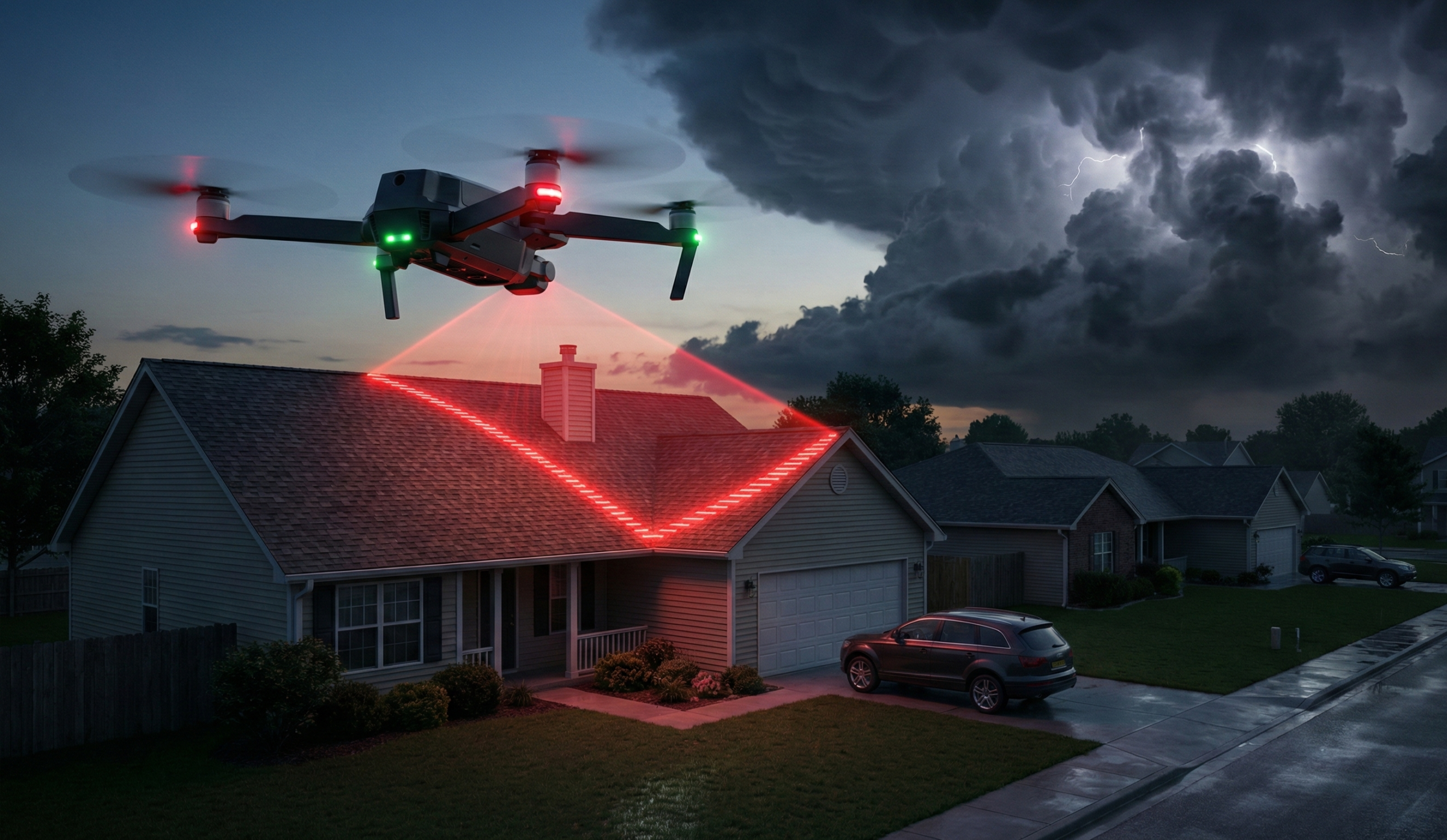
To fight back, carriers are using Geospatial AI. They deploy drones and high-resolution satellite imagery to inspect your roof and the brush around your house. If the AI detects a single risk factor, your policy is flagged for non-renewal.
3. Auto Insurance: When Weather Hits the Road
While often discussed separately, auto insurance premiums are increasingly tied to the same climate trends affecting homes. The national average for full-coverage car insurance is reaching $2,402 in 2026, driven by a unique set of pressures.
Comprehensive Claims Surge
Natural disasters don’t just destroy buildings; they destroy fleets. Hail storms, flash floods, and winter freezes have led to a spike in comprehensive claims. In states like Colorado and Texas, hail damage alone has become a primary driver of auto premium inflation.
- Total Loss Frequency: As modern vehicles become more technologically advanced, they are more susceptible to water and impact damage that renders them a “total loss” rather than a repairable asset.
The Repair Cost Spiral
Beyond weather, the cost to fix a car has outpaced general inflation.
- Labor and Parts: Cumulative replacement costs for vehicle repairs have outstripped CPI, influenced by persistent technician shortages and the rising cost of sophisticated sensors (ADAS) and foreign-made components.
- The “Tariff Effect”: New trade policies and tariffs implemented in 2025/2026 have added an estimated 3% to 7% to the cost of claims for insurers that rely on imported parts, a cost that is being passed directly to the policyholder.
4. The Reinsurance Squeeze: The Invisible Cost Driver
One of the most significant, yet least understood, reasons for premium hikes is the reinsurance market. Insurers buy their own insurance (reinsurance) to protect against catastrophic losses.
The Domino Effect: Global reinsurers have raised their rates and tightened terms following a global natural disaster bill that topped $220 billion in 2025. When it costs more for an insurance company to buy protection, those costs flow downhill to the consumer.
In 2026, many primary insurers are being forced to retain more risk on their own balance sheets. This “risk retention” means they must be even more selective about the homes and drivers they cover, leading to stricter underwriting standards across the board.
5. Industry Response: AI and Geospatial Triage
To survive this era of volatility, the insurance industry is undergoing a digital revolution. In 2026, AI is no longer an “extra”—it is the operating system of the sector.
- Geospatial Analytics: Insurers now use drones and high-resolution satellite imagery to inspect roofs and brush clearance in real-time. This allows for “property-specific” pricing rather than broad ZIP code averages.
- Claims Processing: AI is being used to triage disaster claims within minutes, potentially lowering administrative costs, though it remains to be seen if these savings will be passed to consumers.
6. The Survival Guide: What to Do If You Get Dropped
If you receive a non-renewal notice, do not panic. The days of “set-it-and-forget-it” insurance are over, but you have options:
- Hard Mitigation (Do this first): Invest in “wind-mitigation” upgrades for your roof or clear “defensible space” around your yard. Document it with photos and send them to your broker. It is the best way to fight an AI-driven cancellation.
- Raise the Deductible: Jumping from a $1,000 to a $5,000 deductible can slash your premium instantly. Just ensure you have the cash in an emergency fund.
- Explore the E&S Market or FAIR Plans: If traditional carriers flee your ZIP code, you will need to enter the Excess & Surplus (E&S) market or your state’s “FAIR Plan” (the insurer of last resort).
7. Final Verdict: Is AI Spying on Your Home?
The insurance industry is doing what it must to survive climate volatility, but the cost is being placed entirely on the shoulders of the American family. The Big Question: Insurers are now using satellite imagery and drones to cancel policies without ever sending a human inspector to your house. Do you think this should be illegal, or is it a fair way to assess risk? Share your thoughts below.
About the Author