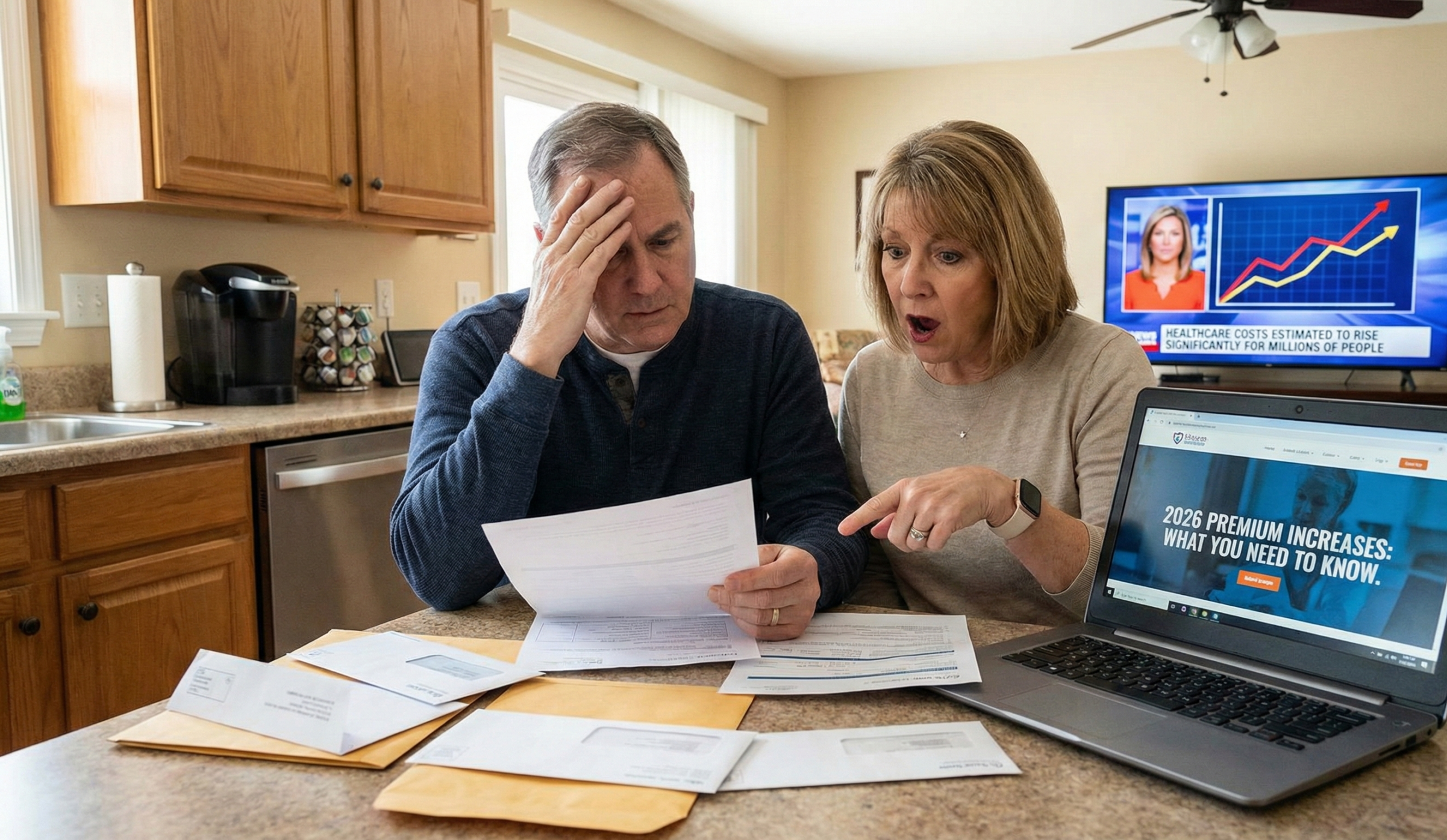
U.S. Health Insurance Costs Estimated to Rise Significantly for Millions of People
The year 2026 has arrived with a profound financial challenge for the American healthcare consumer. After a decade of relatively moderate premium growth, the United States is currently witnessing a historic surge in health insurance costs. From employer-sponsored plans to the Affordable Care Act (ACA) marketplaces and even Medicare, millions of Americans are facing “sticker shock” during their open enrollment periods.
Current projections and finalized filings for 2026 indicate that health benefit costs are rising at their highest rate in over 15 years. For many, these increases are not merely incremental; they are destabilizing. As the industry grapples with the convergence of high-cost pharmaceutical breakthroughs, labor shortages, and the expiration of critical federal subsidies, the question is no longer if costs will rise, but by how much and how families will cope.
1. The Macro Picture: Why 2026 is a Turning Point
According to the latest data from major health consultancies like Mercer and the Business Group on Health, the total health benefit cost per employee is expected to rise by an average of 6.5% to 9% in 2026. This marks the fourth consecutive year of elevated growth, far outpacing general economic inflation.
For the roughly 160 million Americans who receive coverage through their jobs, the impact is direct. Employers, who typically absorb the lion’s share of these costs, are reaching a breaking point. Many are being forced to pass a larger portion of the premium onto workers or increase deductibles and out-of-pocket maximums to keep plans viable.
Key Drivers of the 2026 Cost Surge:
- The “GLP-1” Effect: Glucagon-like peptide-1 (GLP-1) drugs, such as Ozempic and Wegovy, have become a primary driver of pharmacy spend. With more than 100 similar obesity treatments in clinical development, insurers are pricing in the massive long-term utilization of these high-cost medications.
- Specialty Drugs and Gene Therapies: Beyond weight loss, new curative cell and gene therapies for cancer and rare diseases are entering the market with price tags ranging from $2 million to $4 million per dose.
- Labor Shortages and Wage Inflation: Hospitals and clinics are facing persistent clinical workforce shortages. To retain nurses and specialists, providers have raised wages significantly, and these costs are now being reflected in the higher reimbursement rates negotiated with insurers.
2. The “Ozempic Tax”: Are You Paying for It?
Why is your premium soaring even if you are healthy? Blame the “GLP-1 Effect.”
- The Cost: Blockbuster weight-loss drugs like Wegovy and Zepbound cost insurers over $1,000 a month per patient.
- The Spread: As demand explodes, insurers are spreading these massive costs across everyone’s premiums.
- The Result: We are entering an era where lifestyle medications are driving medical inflation faster than surgeries or hospital stays.
3. The ACA Marketplace: A “Double Whammy” for Millions
While employer plans are seeing 6-9% increases, the Affordable Care Act (ACA) individual marketplace is facing a far more severe crisis. In 2026, many marketplace enrollees are seeing their out-of-pocket premiums more than double.
The Expiration of Enhanced Tax Credits
The primary catalyst for this localized “price explosion” is the expiration of the Enhanced Premium Tax Credits. These subsidies, originally introduced during the pandemic and extended through 2025, made coverage significantly more affordable for middle- and lower-income families.
With these credits gone as of January 1, 2026:
- Premium Hikes: Insurers have requested base rate increases averaging 26%—the largest since 2018.
- Net Cost Impact: For the 20 million subsidized enrollees, the actual “net” premium they pay is estimated to rise by an average of 114%.
- The “Death Spiral” Risk: Experts at Johns Hopkins and the KFF warn that as young, healthy individuals drop coverage due to high costs, the remaining “risk pool” becomes sicker and older, potentially leading to further price hikes in 2027.
4. Medicare and the Aging Population
It is not only the under-65 population feeling the squeeze. In late 2025, the administration announced that Medicare Part B premiums would increase by nearly 10% for 2026. This increase is more than triple the Cost-of-Living Adjustment (COLA) that seniors received for their Social Security benefits this year.
This disparity means that for millions of retirees on fixed incomes, the rising cost of healthcare is effectively resulting in a net cut to their monthly Social Security checks. The drivers here are similar: increased utilization of medical services by an aging workforce and the high cost of new Alzheimer’s treatments and other specialty drugs covered under Part B.
5. Survival Guide: 3 Ways to Lower Your Bill
If your renewal letter made you gasp, don’t just auto-renew. Use these strategies to fight back:
- Embrace the “Narrow Network”: Insurers are offering cheaper plans if you agree to use a smaller list of doctors. If your favorite doctor is in the network, switching to this plan can save you 15-20%.
- Max Out Your HSA: If you are forced into a High Deductible Health Plan (HDHP), max out your Health Savings Account. The tax savings effectively discount your medical bills by your income tax rate (e.g., 24%).
- Check for “Reference-Based Pricing”: Some new employer plans pay hospitals a set fee (e.g., 140% of Medicare). These plans have $0 deductibles but require you to be a savvy shopper. Ask your HR if this is an option.
6. The Economic and Political Fallout
The 2026 healthcare price spike is already becoming a central theme in the political discourse leading up to the midterm elections. With nearly 250 million Americans facing out-of-pocket increases that outpace wage growth, healthcare affordability has returned as a top-tier national concern.
Potential Consequences:
- The Uninsured Rate: The Congressional Budget Office (CBO) estimates that the number of uninsured Americans will increase by 2.2 million in 2026 alone due to the loss of subsidies.
- Medical Debt: Rising deductibles mean more families are exposed to high out-of-pocket costs before their insurance kicks in, likely leading to an uptick in medical bankruptcy and collections.
- State Budget Strains: As private insurance becomes unaffordable, more people may turn to Medicaid, placing additional pressure on state budgets that are already dealing with federal funding rollbacks.
7. Final Verdict: The End of Cheap Healthcare?
The 2026 projections confirm that the era of moderate price hikes is over. We are now in a high-inflation medical economy. The Big Question: Is it fair for premiums to rise for everyone to cover the cost of expensive new weight-loss drugs? Or should those specific medications be excluded from standard plans? Share your opinion below.
About the Author