DOJ Recovers Over $6.8 Billion in Healthcare and Insurance Fraud Settlements During Fiscal Year 2025/26
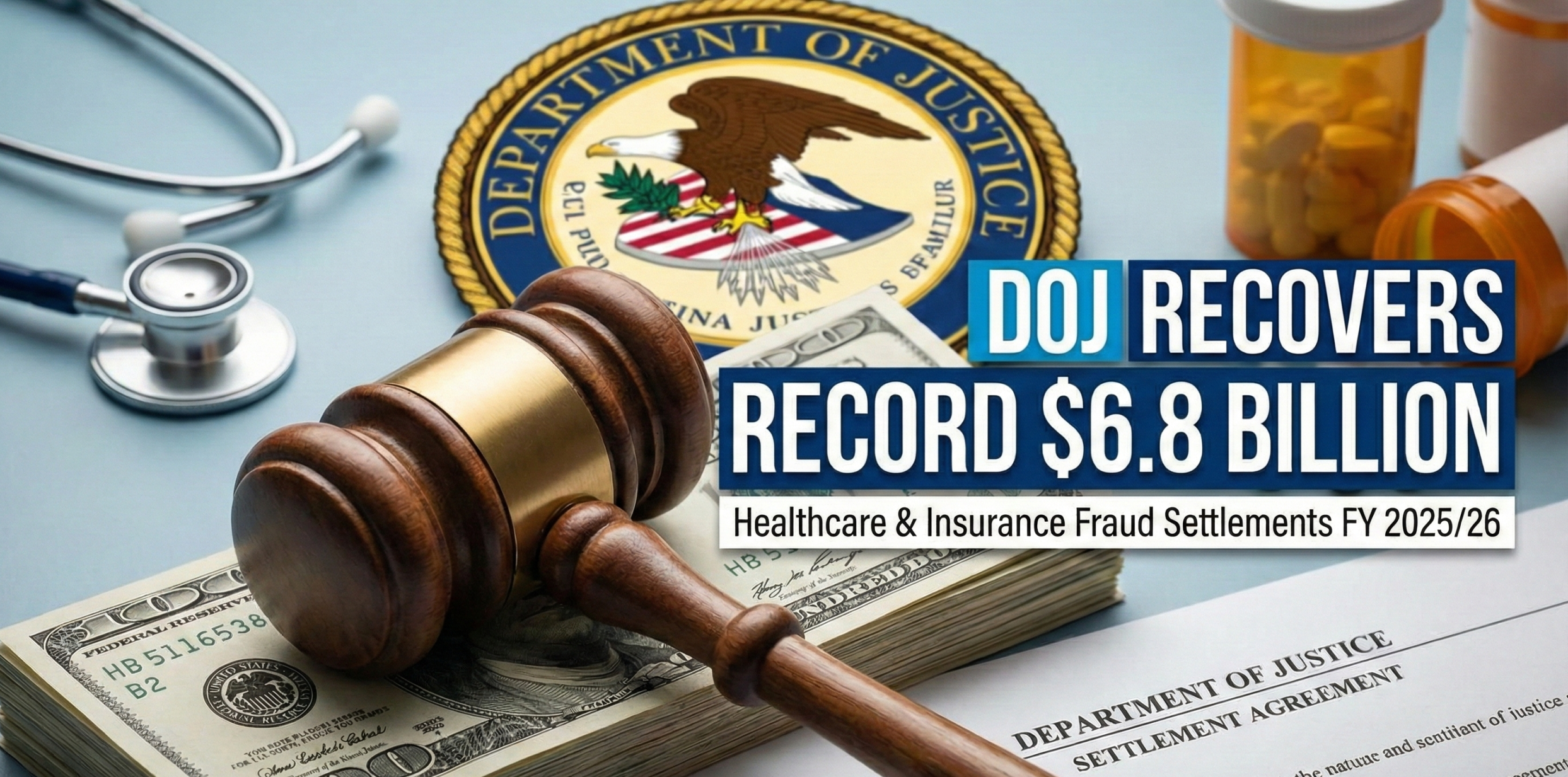
The fight against healthcare and insurance fraud reached a new benchmark in fiscal year 2025/26, with the U.S. Department of Justice (DOJ) announcing the recovery of a staggering over $6.8 billion in settlements and judgments. This record-setting figure underscores the federal government’s relentless commitment to safeguarding taxpayer dollars, protecting beneficiaries, and maintaining the integrity of the nation’s vast healthcare and insurance systems. The recoveries span a wide array of fraudulent activities, from Medicare and Medicaid overbilling to complex pharmaceutical schemes and intricate private insurance scams, highlighting the pervasive nature of these illicit enterprises and the sophisticated strategies employed by federal investigators and prosecutors.
1. A Multi-Agency Effort Against Pervasive Fraud
The monumental sum recovered is not the result of a singular effort but rather a testament to the robust collaboration between various federal agencies. The DOJ’s Civil Division, particularly its Commercial Litigation Branch (Fraud Section), works hand-in-hand with the U.S. Attorneys’ Offices across the country, as well as crucial partners such as the Department of Health and Human Services – Office of Inspector General (HHS-OIG), the FBI, the Defense Criminal Investigative Service (DCIS), and state Medicaid Fraud Control Units. This multi-pronged approach ensures that fraudulent actors, whether large corporations or individual practitioners, are held accountable.
The False Claims Act (FCA) remains the primary legal tool in these enforcement actions. Enacted during the Civil War to combat fraud against the Union Army, the FCA allows the government to recover funds from those who knowingly submit false claims for payment to federal programs or services. A unique feature of the FCA is its qui tam provision, which permits private citizens (whistleblowers) with knowledge of fraud to file lawsuits on behalf of the government. These whistleblowers often receive a share of the government’s recovery, incentivizing individuals to come forward with critical information that might otherwise go undetected.
The Critical Role of Whistleblowers
Of the over $6.8 billion recovered, a significant portion originated from qui tam lawsuits. Whistleblowers, often current or former employees of fraudulent organizations, are uniquely positioned to expose schemes that defraud the government. Their courage and willingness to report wrongdoing are indispensable to the DOJ’s success. The recoveries attributable to qui tam actions in FY 2025/26 emphasize the enduring power of this mechanism in deterring and detecting fraud. The financial incentives, coupled with robust legal protections against retaliation, ensure a steady flow of actionable intelligence to federal investigators.
2. Analysis: The “Data-Driven” Dragnet
How did the DOJ reach this historic $6.8 billion figure? It wasn’t just luck. FY 2025/26 marks the maturity of the Strike Force’s data analytics. In the past, investigators waited for a tip. Today, federal agencies use predictive algorithms to spot outliers in billing data before a whistleblower even calls.
- The AI Factor: Government tools can now scan millions of Medicare claims in seconds to find patterns—like a small clinic billing for more complex surgeries than a major hospital.
- Piercing the Corporate Veil: The DOJ is no longer just fining corporations; they are increasingly holding individual executives accountable, forcing settlements that include bans from federal health programs.
3. Key Areas of Enforcement and Recovery
The $6.8 billion in recoveries reflects targeted enforcement efforts across several high-risk sectors within healthcare and insurance:
Healthcare Fraud (Medicare and Medicaid)
The lion’s share of recoveries consistently comes from healthcare-related fraud, primarily involving federal programs like Medicare, Medicaid, and TRICARE. This fiscal year saw significant actions against:
- Pharmaceutical Companies: Cases involved allegations of drug manufacturers misrepresenting pricing data to inflate reimbursements, paying illegal kickbacks to physicians to prescribe their drugs, or marketing drugs for off-label uses not approved by the FDA.
- Hospitals and Healthcare Systems: Settlements addressed claims of upcoding (billing for more expensive services than provided), performing medically unnecessary procedures, billing for services never rendered, and violations of the Stark Law and Anti-Kickback Statute related to improper financial relationships with referring physicians.
- Managed Care Organizations (Medicare Advantage): A growing area of enforcement, as exemplified by the Kaiser Permanente affiliates settlement, focuses on Medicare Advantage organizations that allegedly manipulate risk adjustment data to receive higher payments from the Centers for Medicare & Medicaid Services (CMS). These companies may incorrectly document diagnoses or fail to delete diagnoses when patients’ conditions improve, artificially inflating risk scores and subsequent payments.
- Physicians and Clinics: Individual practitioners and small clinics were targeted for fraudulent billing practices, including prescribing unnecessary opioids, conducting sham therapy sessions, and billing for ghost patients.
- Home Health and Hospice Agencies: Persistent issues in this sector include billing for services not medically necessary, providing services to patients who do not qualify for home health or hospice care, and illegal kickbacks for referrals.
Private Insurance and Other Federal Programs
While Medicare and Medicaid fraud often dominate headlines, the DOJ’s efforts extend to other federal programs and, indirectly, to private insurance markets where federal funds may be intertwined. This includes:
- Defense Department Programs (TRICARE): Fraudulent schemes targeting active duty service members, retirees, and their families.
- Federal Employee Health Benefits Program (FEHBP): Investigations into false claims submitted to the health insurance plans covering federal employees.
- Insurance Companies (Broader Scope): Although less common under the FCA directly, the DOJ collaborates with state attorneys general and other federal agencies to combat fraud against private insurers, especially where it impacts interstate commerce or involves federal funds. Examples include sophisticated schemes involving staged accidents or exaggerated claims.
- Research Grant Fraud: Cases where entities misuse federal research grants, submitting false data or billing for unauthorized expenses.
4. Impact and Future Outlook
The recovery of over $6.8 billion is more than just a number; it represents:
- Restitution to Taxpayers: These funds are returned to federal programs, helping to ensure their long-term solvency and benefit to eligible citizens.
- Deterrence: Aggressive enforcement sends a clear message to would-be fraudsters that illicit activities will be detected and severely punished.
- Protection for Beneficiaries: By dismantling fraudulent schemes, the DOJ helps ensure that patients receive medically necessary care and that their healthcare choices are not tainted by financial inducements.
- Level Playing Field: Enforcement actions help create a fairer competitive environment for legitimate businesses and healthcare providers who abide by the law.
Looking ahead, the DOJ, in conjunction with its interagency partners, is expected to intensify its focus on several emerging areas:
- Artificial Intelligence (AI) and Data Fraud: As AI becomes more integrated into healthcare, new forms of fraud related to algorithmic manipulation, data fabrication, or AI-driven billing schemes may emerge.
- Telehealth Fraud: The expansion of telehealth services, while beneficial, has also opened new avenues for fraud, including billing for services not rendered or misrepresenting patient encounters.
- Opioid Diversion and Abuse: The fight against the opioid epidemic remains a priority, with continued enforcement against “pill mills” and fraudulent prescribers.
- Cyber-Enabled Fraud: The increasing sophistication of cyberattacks means that patient data breaches and identity theft will remain fertile ground for healthcare-related financial fraud.
- Risk Adjustment Fraud in Medicare Advantage: This area will likely continue to be a significant focus, given the substantial payments involved and the complexity of coding practices.
5. Why This Matters to You (The Patient)
Healthcare fraud is often called a “victimless crime,” but that is a myth. The $6.8 billion recovered represents money that was stolen from the pockets of taxpayers and patients. Here is how this crackdown protects you:
- Safety First: Many fraud schemes involve performing medically unnecessary surgeries or prescribing dangerous opioids just to bill insurance. Stopping these actors literally saves lives.
- Lower Premiums: When insurance companies (and Medicare) lose billions to fraud, they raise premiums to cover the loss. Recovering these funds helps stabilize costs for everyone.
- Better Care: By removing corrupt doctors and providers from the system, the DOJ ensures you are treated by professionals motivated by your health, not by a billing code.
6. Final Verdict: The Golden Age of Whistleblowers
The staggering success of FY 2025/26 proves one thing: the False Claims Act is the most effective tool in the government’s arsenal. With billions recovered, the incentives for insiders to report their bosses have never been higher. As we move into the next fiscal year, the message to healthcare executives is clear: if you are cooking the books, it’s not a matter of if you get caught, but when—likely by your own employee. Join the Discussion: Do you think the government offers enough protection for whistleblowers who risk their careers to expose fraud? Or should the penalties for healthcare executives be even harsher, including mandatory jail time? Share your opinion below.
About the Author