
2026 Pet Insurance Rankings: Trupanion and Lemonade Lead Customer Satisfaction as Veterinary Inflation Drives Record Policy Adoption
The era of pet insurance being considered a “niche luxury” is officially over. In early 2026, the North American pet insurance market has transitioned into a critical sector of the personal lines industry, driven by a perfect storm of emotional attachment and economic necessity.
According to the latest 2026 U.S. Pet Insurance Satisfaction Study released this week, Trupanion and Lemonade have emerged as the market leaders, securing the top spots for customer satisfaction and policy growth respectively. However, the data reveals a more concerning undercurrent: the surge in policy adoption is being forced by unprecedented veterinary inflation, which has seen the cost of routine care and emergency procedures rise by nearly 18% year-over-year.
For insurers, brokers, and investors, the 2026 landscape presents a dual narrative: a booming total addressable market (TAM) coupled with the challenge of managing spiraling claims severity.
1. The Economic Catalyst: Why Costs Are Soaring in 2026
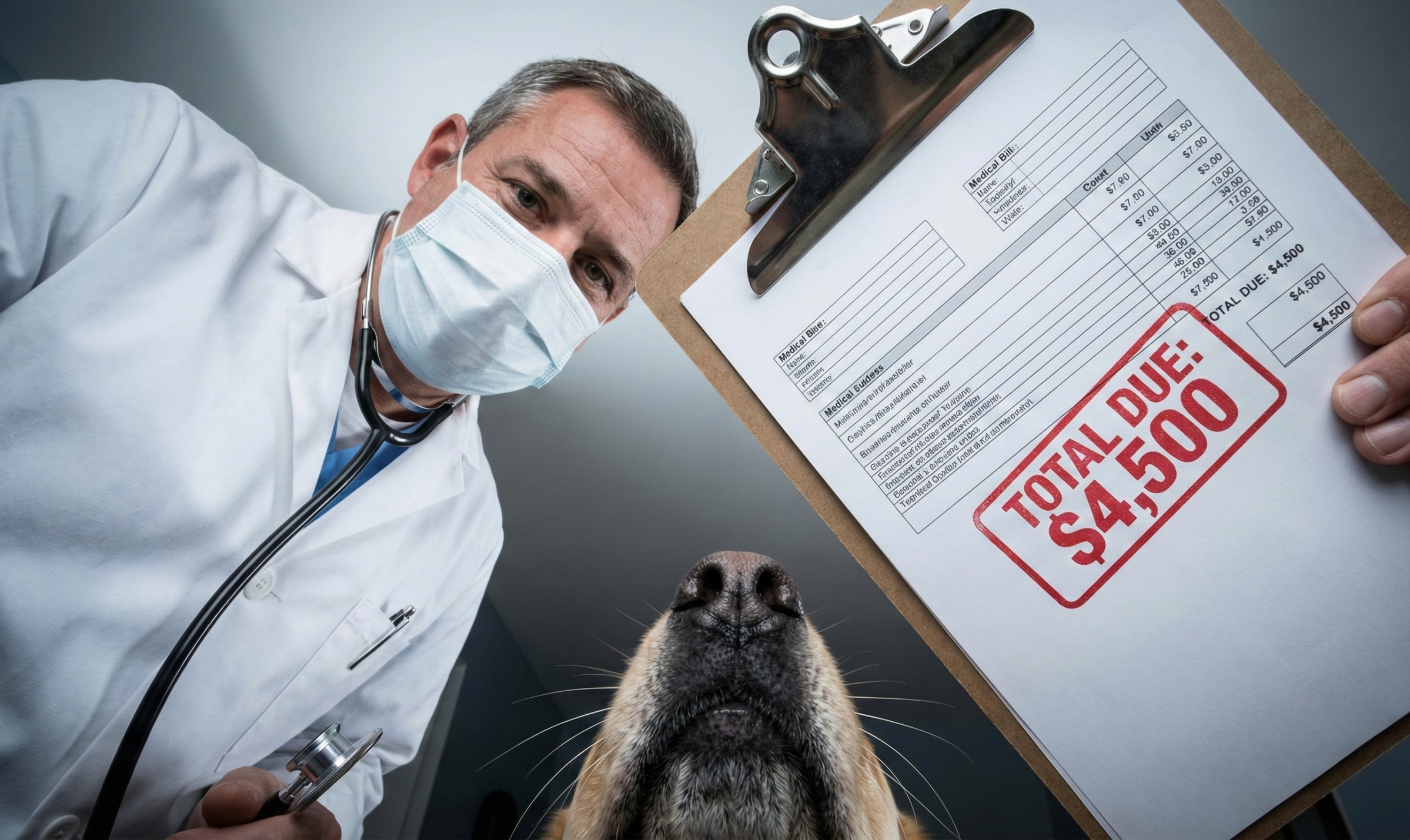
To understand the 2026 rankings, one must first understand the economic pressure on pet owners. The “medicalization” of pets has reached new heights. In February 2026, the average cost of a standard emergency surgery (such as a foreign object removal or ACL repair) has surpassed $4,500 in major U.S. metro areas.
The “Private Equity” Effect
Industry analysts point to the consolidation of independent veterinary clinics by Private Equity (PE) firms as a primary driver of this inflation. With over 60% of specialty referral hospitals now corporately owned, pricing structures have been standardized upwards.
Furthermore, the standard of care has shifted. MRI scans, chemotherapy, and advanced orthopedics—once rare for animals—are now the baseline expectation for Millennial and Gen Z pet owners. This technological advancement, while saving lives, has made “self-insuring” (paying out of pocket) financially ruinous for the average American household, driving them into the arms of insurers.
2. Deep Dive: Why is the Vet So Expensive Now?
If you feel like your local vet is charging “corporate prices,” you are probably right.
- The Private Equity Takeover: In 2026, over 60% of specialty referral hospitals are owned by private equity firms. They have standardized pricing upwards to maximize returns.
- The “Human Standard”: We now treat pets like humans. MRIs, chemotherapy, and ACL repairs are standard.
- The Result: “Self-insuring” (saving money in a jar) no longer works. You cannot save fast enough to cover a $10,000 cancer treatment.
3. Trupanion vs. Lemonade: Which One Fits Your Wallet?
The 2026 rankings show a clear split. Which type of owner are you?
1- The “Peace of Mind” Buyer: Trupanion
- Best Feature: Vet Direct Pay. They pay the bill at the checkout counter. You don’t have to front the money and wait for a check.
- Ideal For: Owners who don’t have $5,000 sitting in their checking account right now.
- The Cost: Higher monthly premiums, but “medical grade” reliability.
2- The “Digital Native” Buyer: Lemonade
- Best Feature: Speed. Their AI bot, “Jim,” holds the record for settling claims in under 3 seconds.
- Ideal For: Gen Z/Millennials who want a slick app, lower premiums, and plan to bundle with their Renters insurance.
- The Cost: Very affordable entry price, but pay attention to deductibles.
4. Market Growth: The “20% Penetration” Milestone
For years, the U.S. lagged behind the U.K. and Sweden in pet insurance penetration (which hovered around 2-3%). However, the North American Pet Health Insurance Association (NAPHIA) projects that by the end of 2026, the U.S. will hit a historic 6% penetration rate, with certain urban demographics exceeding 20%.
The “Wellness” Shift
The rankings also reveal a shift in what is being bought. “Accident Only” policies are declining. Instead, Comprehensive Wellness Riders—covering dental cleanings, vaccinations, and flea/tick prevention—have seen a 35% uptake increase.
Why? Because even routine care has become expensive. Consumers are doing the math and realizing that bundling wellness care into a monthly premium provides cash-flow predictability in an inflationary environment.
5. The New “Must-Have” Employee Benefit
A significant portion of the 2026 growth is coming not from direct-to-consumer sales, but from the B2B channel.
Mercer’s 2026 Employee Benefits Report lists Pet Insurance as the #1 fastest-growing voluntary benefit. In a tight labor market, tech companies and large corporations are subsidizing pet insurance to attract talent.
- Nationwide and MetLife are the silent giants here, dominating the payroll-deduction market. While they may not have the “buzz” of Lemonade, their volume in the employer channel keeps them firmly in the top 5 of total Gross Written Premium (GWP).
6. The Pricing Crisis: Navigating the “Death Spiral”
Despite the growth, the industry faces a severe profitability challenge. As veterinary costs rise, insurers must raise premiums to maintain loss ratios.
- The Churn Risk: The 2026 data indicates that while new policy adoption is high, lapse rates are also creeping up as premiums increase. A 15% rate hike on a 10-year-old dog can push premiums over $150/month, forcing owners to cancel right when they need coverage the most.
- Segmented Pricing: To combat this, insurers like Spot and Fetch are introducing hyper-segmented pricing models in 2026, using breed-specific data to exclude certain hereditary conditions from base policies to keep entry-level prices affordable.
7. Final Verdict: The “Death Spiral” Risk
While insurance is essential, be warned: premiums for older dogs are skyrocketing. A 15% rate hike on a 10-year-old dog can push costs over $150/month. The Big Question: At what price point does pet insurance become too expensive for you? Would you cancel at $100/month? $200? Tell us your limit below.
About the Author