2026 Life Insurance Rankings: John Hancock and Prudential Lead Digital Satisfaction as Demand for ‘Wearable-Linked’ Policies Surges
For over a century, the life insurance industry operated on a “file and forget” model. A policyholder purchased coverage, paid a monthly premium, and had zero interaction with the carrier until a claim was made—usually decades later. In 2026, that model is officially obsolete.
According to the newly released 2026 U.S. Life Insurance Digital Experience Study, the sector has undergone a radical transformation. Leading the charge are John Hancock and Prudential, two legacy giants that have successfully reinvented themselves as “Health-Tech” platforms. The study reveals that for the first time in history, customer satisfaction is now directly correlated with the frequency of digital interaction, driven entirely by the explosion of “Wearable-Linked” policies.
As of February 2026, the life insurance policy is no longer just a death benefit; it is a daily wellness companion.
1. Policy Briefing: Get Paid to Live
- The Ranking: John Hancock (#1) and Prudential (#2) are leading the market because they stopped being boring. They now use apps to track your health and reward you.
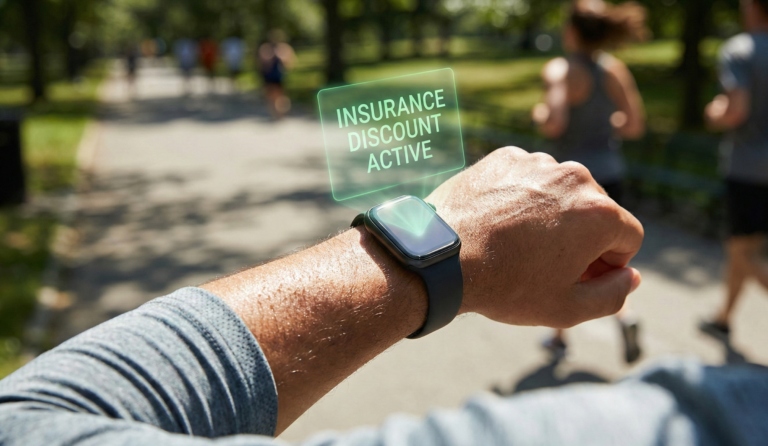
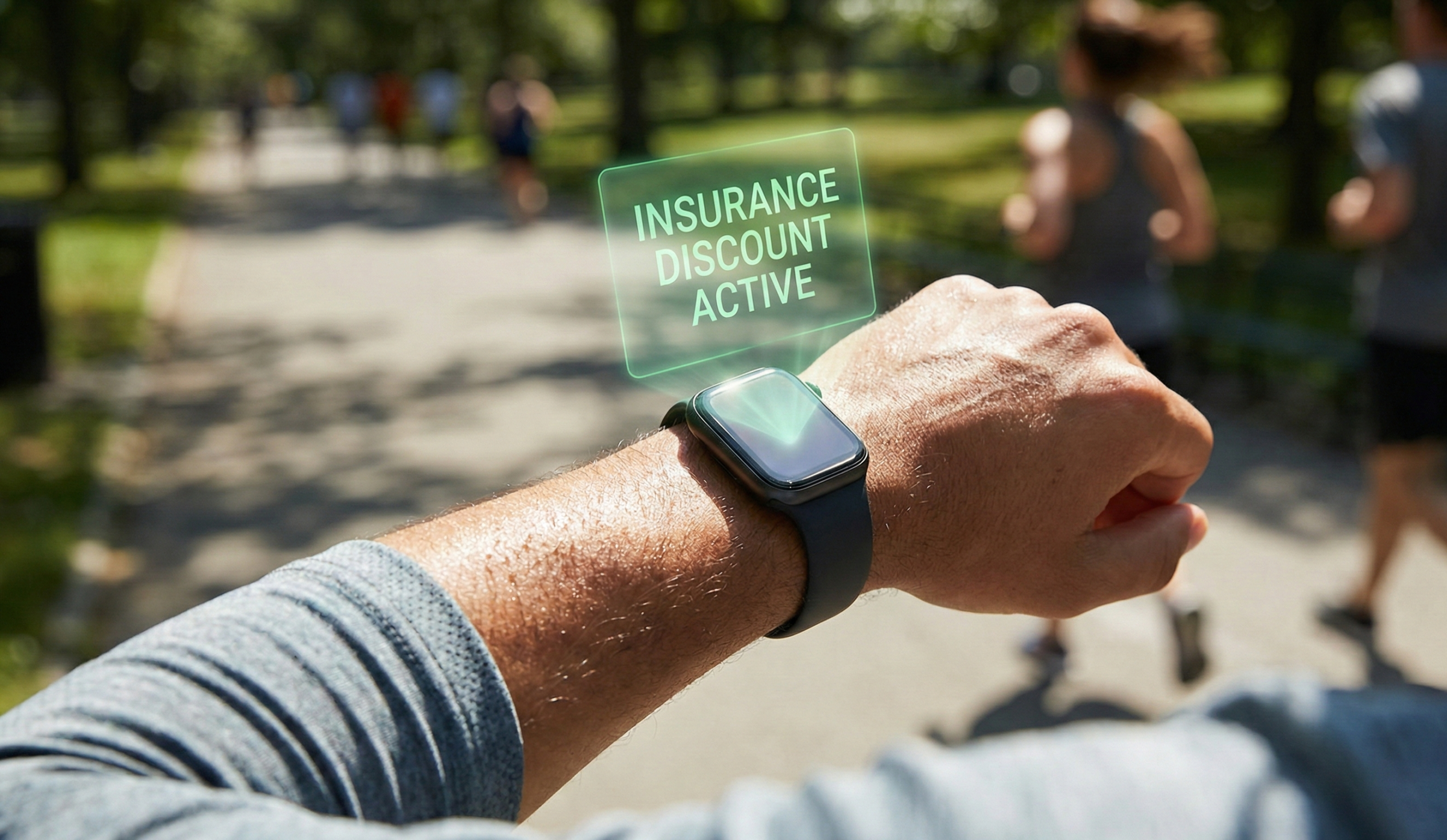
- The Deal: It’s called “Interactive Insurance.” If you share your step count or sleep data (via Fitbit/Apple Watch), you can lower your monthly premium by up to 25%.
- The Perk: Many of these policies now include a subsidized or free Apple Watch or Oura Ring as a “loss leader” to get your data.
2. The 2026 Rankings: The “Interactive” Advantage
| Rank | Insurer | Digital Satisfaction Score (1,000 scale) | Key Driver |
| 1 | John Hancock | 845 | Best-in-class Wearable Integration |
| 2 | Prudential | 832 | Holistic Financial/Health Dashboard |
| 3 | State Farm | 815 | Bundling Simplicity & Agent App |
| 4 | Northwestern Mutual | 808 | Long-term Financial Planning Tools |
| 5 | Pacific Life | 794 | New “Liquid Life” flexible products |
| Avg | Industry Average | 760 |
Which One Fits Your Lifestyle?
According to J.D. Power, two giants have reinvented themselves. Here is how to choose:
1. John Hancock (Vitality)
- Best For: The “Gamifier.” If you love closing your rings on Apple Watch and earning points for coffee or Amazon gift cards, this is the gold standard.
- Key Feature: The Vitality Program is deeply integrated. High engagement = lower premiums.
2. Prudential
- Best For: The “Financial Planner.” Their platform blends your health data with your wealth data.
- Key Feature: A holistic dashboard that shows how your physical health impacts your long-term retirement savings.
3. Deep Dive: Biological vs. Chronological Age
Why do insurers give discounts for walking? Because of “Continuous Underwriting.”
- The Old Way: You take a medical exam at age 30. You pay based on that one day for the next 20 years.
- The New Way: Algorithms adjust your “Life Credits” monthly. If you are a 45-year-old male but your Biometric Data (HRV, Steps, Sleep) shows the health of a 35-year-old, you pay the lower rate.
- The Result: The policy becomes an asset that fights inflation. You can knock $40 off your monthly bill just by hitting 10,000 steps.
4. The Rise of “Wearable-Linked” Underwriting
The most significant trend of 2026 is the mainstream adoption of Continuous Underwriting.
In 2020, sharing data from an Apple Watch or Fitbit was a novelty. In 2026, with over 65% of U.S. adults owning a biometric wearable, it is a standard expectation. Policyholders are no longer willing to pay premiums based on a snapshot of their health taken during a medical exam five years ago. They want premiums that reflect their health today.
How It Works in 2026:
- The “Activity Exchange”: Insurers are offering immediate premium discounts (up to 25%) in exchange for real-time access to step counts, heart rate variability (HRV), and sleep data.
- Biological Age vs. Chronological Age: Algorithms now adjust “Life Credits” monthly. A 45-year-old male with the biometric markers of a 35-year-old pays the lower rate.
- Device Subsidies: It is now standard practice for policies to come with a subsidized or free Apple Watch Series 11 or Oura Ring 5, treating the hardware as a loss leader to acquire high-quality risk data.
5. The “Inflation Effect” on Life Insurance
Why the sudden surge in 2026? While technology enables the shift, economics drives the adoption.
With the cost of living remaining a primary concern for American families, the “set it and forget it” premium is under scrutiny. Consumers are actively seeking ways to reduce fixed monthly costs.
“The gamification of life insurance is no longer just about health; it’s about inflation-busting,” says a senior analyst at Forrester. “When a policyholder realizes they can knock $40 off their monthly bill just by hitting 10,000 steps a day, that policy shifts from a ‘grudge purchase’ to a value-generating asset.”
This economic pressure has led to a 40% increase in new policies that include a dynamic pricing rider, compared to just 15% in 2023.
6. Retention: The End of the “Lapse” Problem
For insurers, the pivot to wearable-linked policies is not just about data; it is about solving the industry’s oldest problem: Lapse Rates.
Historically, life insurance had high churn, especially in the early years of a policy. Customers would buy coverage, lose interest, and stop paying.
John Hancock’s 2026 data shows that policyholders who connect a device have a 50% lower lapse rate than those who do not. The psychology is simple: because the customer interacts with the app daily to check their points, rewards, or spin a “wellness wheel” for a coffee voucher, the brand remains top-of-mind. The policy becomes a tangible part of their daily routine rather than a silent deduction from their bank account.
7. The Privacy Paradox: Data for Dollars
The surge in digital satisfaction does come with a caveat: Data Privacy.
The 2026 Consumer Insurance Sentiment Report indicates a growing divide. While 70% of consumers under 40 are willing to share biometric data for a discount, privacy advocates are raising alarms about the “granularity” of the data being collected.
Insurers like Prudential have responded by introducing “Data Vaults”—blockchain-encrypted ledgers that allow the user to see exactly what data is being shared (e.g., “Steps Only” vs. “Full Biometrics”). In 2026, transparency is the new currency. Insurers that hide how they use the data are seeing their trust scores plummet, while those who offer a transparent “Data for Dollars” exchange are capturing the market.
8. What About the Non-Digital Natives?
A critical insight from the 2026 rankings is the struggle of the “Mid-Tier” carriers. Mutual companies that have been slow to update their legacy systems are facing an existential crisis.
The study shows that satisfaction among customers aged 55+, traditionally the most loyal segment, is dropping for carriers that do not offer intuitive digital tools. Even older demographics in 2026 are digitally literate and expect to manage their beneficiaries, view cash value, and access wellness tips via an iPad or smartphone. The “paper-based” insurer is effectively invisible to the modern consumer.
9. Final Verdict: The Privacy Trade-Off
Insurers are offering “Data for Dollars.” You get cheaper insurance, but they get a 24/7 view of your heartbeat and location. The Big Question: Is saving $500 a year worth giving an insurance corporation access to your intimate health data? Or is privacy priceless? Share your stance below.
About the Author