AI-Specific Liability Policies Surge as Insurers Move to Cover Algorithmic Bias and Data Misuse
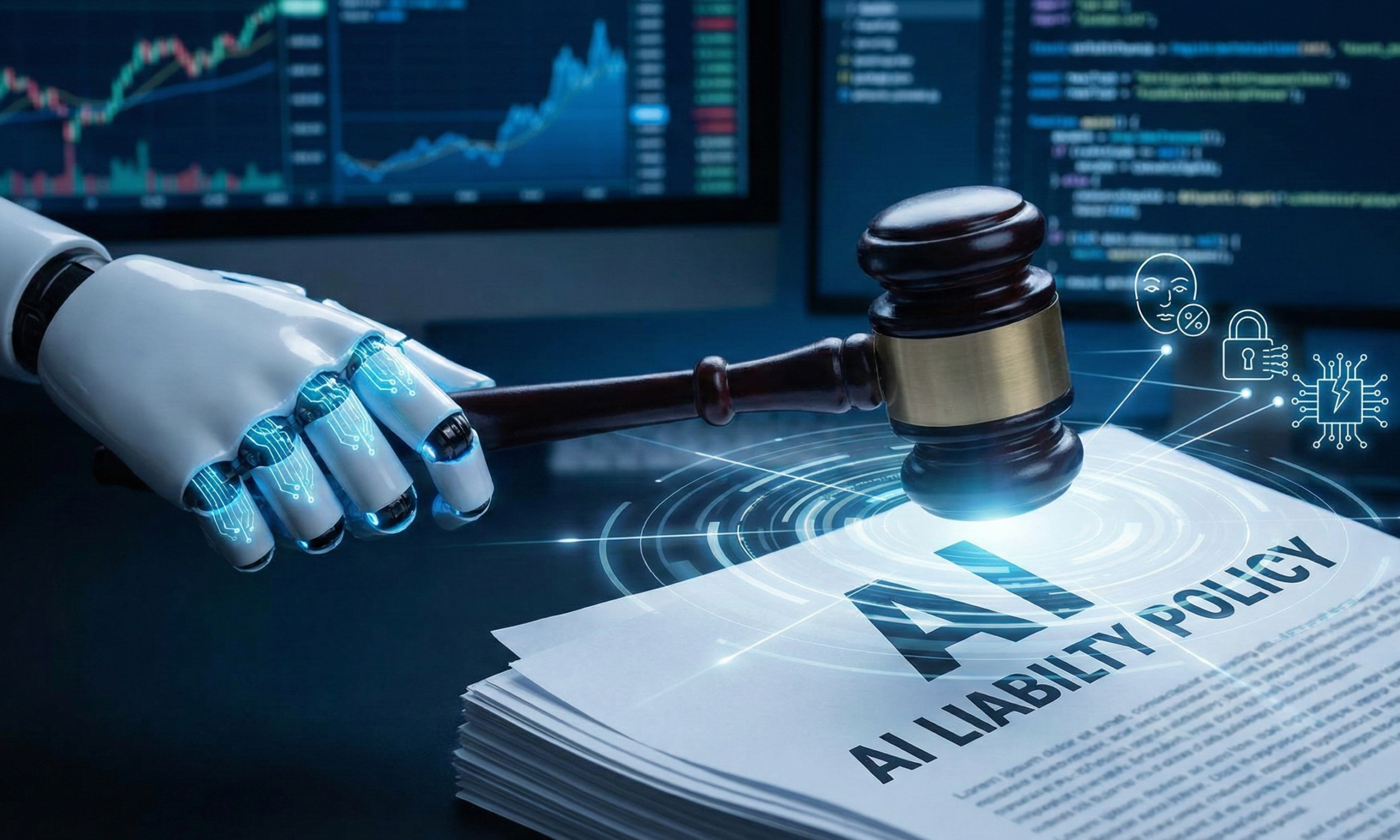
The rapid proliferation of Artificial Intelligence (AI) across every sector of the economy is ushering in an era of unprecedented innovation, but also unforeseen risks. As companies increasingly rely on complex algorithms for everything from credit scoring and hiring to medical diagnostics and autonomous vehicles, the potential for harm due to algorithmic bias, data misuse, and system failures has become a critical concern. In response, the insurance industry is undergoing a significant transformation, with AI-specific liability policies surging to address these novel and evolving exposures.
The traditional liability landscape, designed for tangible products and human error, is struggling to keep pace with the abstract and often opaque nature of AI systems. This vacuum has created a burgeoning market for specialized insurance products, marking a pivotal moment in the evolution of risk management.
1. The Unfolding Frontier of AI Risk
AI systems, particularly those powered by machine learning, present a unique set of challenges that defy conventional risk assessment:
–Algorithmic Bias: If an AI model is trained on biased data (e.g., historical loan approvals that discriminated against certain demographics), it will perpetuate and even amplify that bias in its predictions, leading to discriminatory outcomes. This can result in costly lawsuits, regulatory fines, and severe reputational damage.
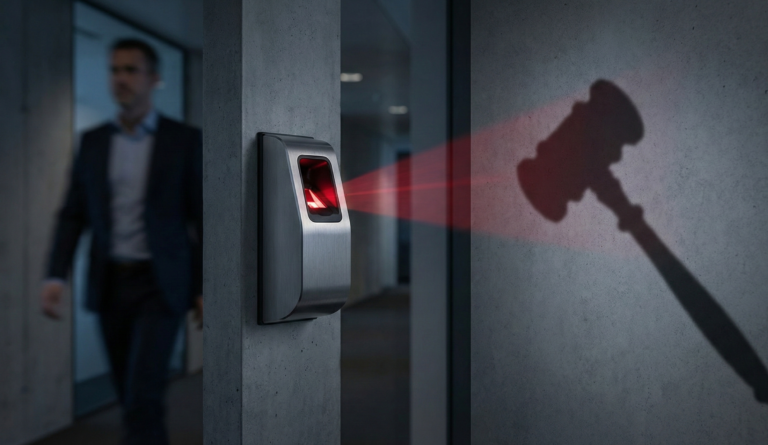
–Data Misuse and Privacy Violations: AI models are data-hungry. The collection, storage, and processing of vast amounts of personal and proprietary information elevate the risk of data breaches, non-compliance with privacy regulations (like GDPR or CCPA), and unintended exploitation of sensitive data.
–Lack of Transparency (The “Black Box” Problem): Many advanced AI models, especially deep neural networks, operate as “black boxes.” It can be incredibly difficult, even for their creators, to understand precisely why a model made a particular decision. This opacity complicates investigations into failures and makes proving causation in liability claims a formidable task.
–Autonomous System Failures: As AI takes control of physical systems (e.g., self-driving cars, automated factories, robotic surgery), software glitches or unexpected environmental interactions can lead to property damage, bodily injury, or even fatalities. Determining liability in such scenarios is far from straightforward.
–Intellectual Property Infringement: Generative AI models, trained on vast datasets of existing content, raise questions about copyright infringement if their outputs too closely resemble copyrighted works.
–Evolving Regulatory Environment: Governments worldwide are grappling with how to regulate AI. New laws, such as the EU AI Act, are emerging, creating a complex and dynamic compliance landscape that businesses must navigate.
These risks are not theoretical; cases involving discriminatory algorithms in healthcare, biased hiring tools, and autonomous vehicle accidents are already making headlines, underscoring the urgent need for robust risk transfer mechanisms.
2. Why Traditional Policies Fall Short
Existing insurance policies—such as Commercial General Liability (CGL), Professional Liability (Errors & Omissions), and Cyber Liability—offer some tangential coverage but are often inadequate for the specific nuances of AI risk:
- CGL policies primarily cover bodily injury and property damage, but the “occurrence” trigger might not fit an algorithmic decision. They also typically exclude professional services and intellectual property.
- Professional Liability (E&O) policies cover financial losses due to negligence in providing professional services. While an AI vendor might be covered for negligent development, the end-user company leveraging the AI could find itself without protection against the AI’s outputs if it’s deemed the proximate cause of harm. Crucially, E&O often doesn’t cover punitive damages or regulatory fines for bias.
- Cyber Liability policies excel at covering data breaches and network security failures but typically don’t address the inherent risks of algorithmic decision-making itself, nor do they often cover the costs associated with AI bias investigations or regulatory actions not directly tied to a breach.
This significant coverage gap has spurred insurers to innovate.
3. The “Silent AI” Exposure: Why Cyber Insurance Fails
Many executives wrongly assume their Cyber Liability policy covers AI risks. This is a dangerous misconception.
- Cyber Insurance protects you if a hacker steals your data (Third-party breach).
- AI Liability protects you if your own algorithm makes a bad decision. Example: If your AI-driven hiring tool rejects all women over 40, that is not a cyber breach; it is Algorithmic Bias. Your Cyber policy will likely deny the claim, leaving you to pay the discrimination lawsuit out of pocket. This specific “coverage gap” is fueling the explosion of the AI insurance market.
4. The Rise of AI-Specific Liability Policies
In response to these deficiencies, specialized AI liability policies are emerging, designed to provide comprehensive protection against the unique risks posed by artificial intelligence. These policies often incorporate elements from various traditional lines but are tailored with specific endorsements and clauses to address AI vulnerabilities.
Key features and coverages typically found in these new policies include:
–Algorithmic Bias Liability: This is perhaps the most critical component, covering defense costs, settlements, and judgments arising from claims that an AI system produced discriminatory or unfair outcomes based on protected characteristics (e.g., race, gender, age). It can also extend to regulatory fines and penalties related to bias.
–Data Ethics and Misuse: Beyond traditional data breach coverage, these policies address liabilities stemming from the unethical or unintended use of data by AI systems, even if no “breach” occurred. This includes violations of evolving data ethics principles and non-compliance with new AI-specific data regulations.
–AI System Failure/Error: Coverage for financial losses, bodily injury, or property damage directly caused by a malfunction, error, or unforeseen behavior of an AI system (e.g., an autonomous robot causing damage, an AI-powered diagnostic tool leading to medical malpractice).
–Intellectual Property Infringement (AI-Generated Content): Protection against claims that AI-generated content (text, images, code) infringes on existing copyrights, trademarks, or patents.
–Reputational Harm and Crisis Management: AI failures, especially those involving bias, can lead to severe public backlash. Policies often include coverage for public relations and crisis management services to mitigate reputational damage.
–Regulatory Fines and Penalties (Specific to AI): As AI regulations solidify, policies are starting to include coverage for fines levied by authorities for non-compliance with AI-specific laws regarding transparency, accountability, and ethical deployment.
–Investigation Costs: The cost of forensic investigations to determine the root cause of an AI failure or bias incident can be substantial. These policies help cover these specialized expenses.
5. Buyer’s Guide: What to Look for in an AI Policy
Before you deploy that new GenAI tool, ask your broker if your policy includes these three specific endorsements:
- Bias & Discrimination Defense: Covers legal costs if your model inadvertently discriminates against a protected class (race, gender, age). Essential for HR and Fintech tools.
- IP Infringement (Output Liability): Covers you if your Generative AI accidentally produces content that looks too similar to a copyrighted work (e.g., a logo or text).
- “Black Box” Forensic Costs: If the AI fails, you need to know why. Standard policies won’t pay for the expensive data scientists needed to “open the black box” and investigate the failure. Ensure forensic investigation is covered.
6. Final Verdict: Innovation Requires Protection
We are entering an era where algorithms engage in commerce, medicine, and law. Insurance is simply catching up. The question for 2026 is not “Should we use AI?”, but “Can we afford the liability if it goes wrong?” The Big Question: If an AI makes a mistake that costs millions, who should be liable: the company that used it, or the developer who built it? Share your take on the ethics of AI liability below.
About the Author