
How Much Will Health Insurance Premiums Rise Under the Obamacare Subsidy System?
For millions of Americans relying on the Affordable Care Act (ACA), the year 2026 marks a historic turning point. After years of record-high enrollment and relative premium stability, the expiration of federal “enhanced subsidies” has triggered a massive fiscal shift.
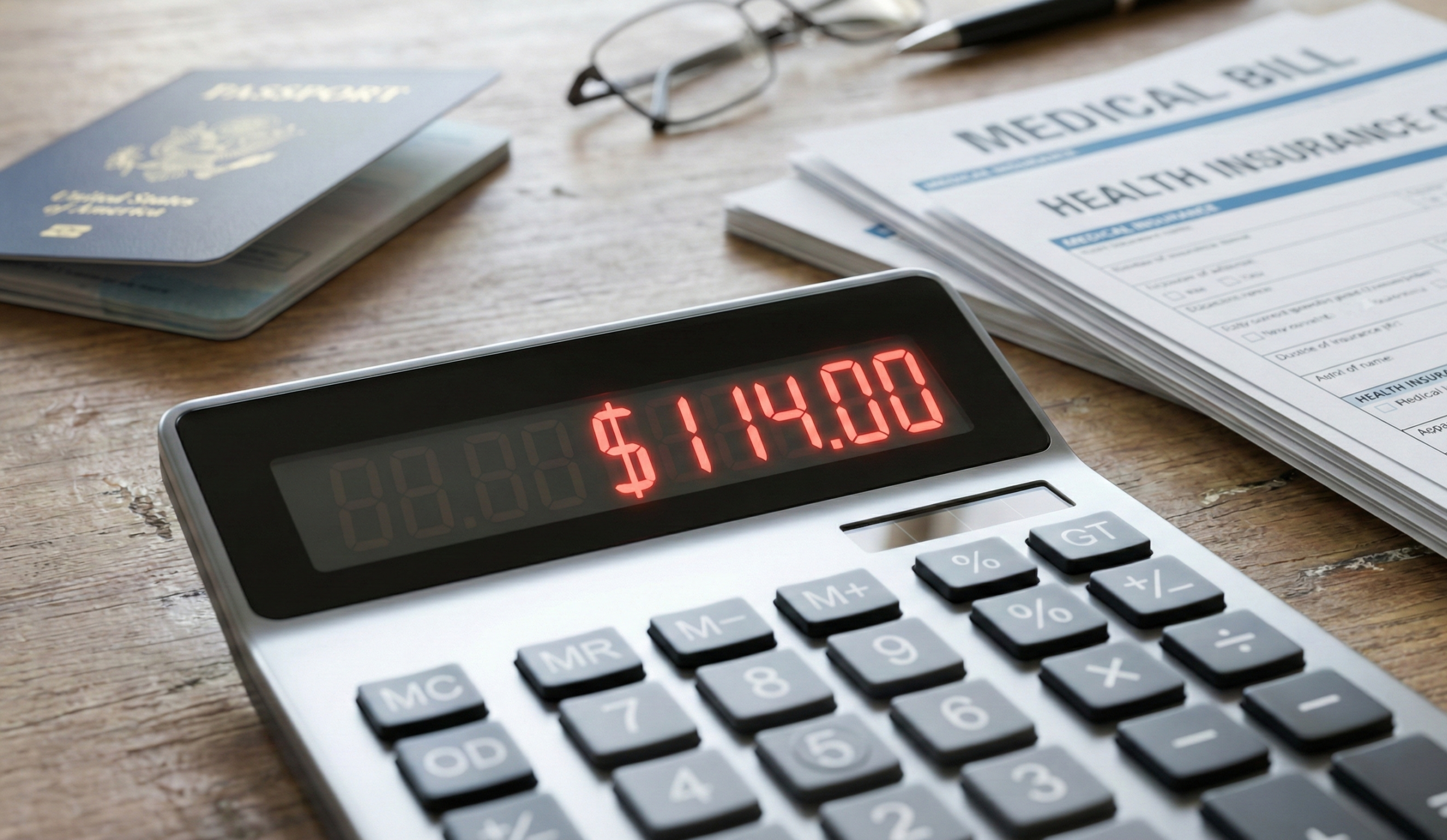
If you are wondering how much health insurance premiums will rise, the answer depends on your income, your state, and your specific plan—but the national averages are staggering. In 2026, many enrollees are seeing their out-of-pocket monthly costs more than double, with national average increases of 114%.+1
This article provides an in-depth analysis of the 2026 premium landscape, the mechanics of the subsidy expiration, and what these changes mean for your household budget.
1. The 2026 Reality: Gross Premiums vs. Out-of-Pocket Costs
To understand the price hikes, we must distinguish between what the insurance companies charge (gross premium) and what you actually pay (net premium).
Insurer Rate Hikes (Gross Premiums)
Insurance companies have increased their base rates significantly for 2026. Data from the Kaiser Family Foundation (KFF) and the Urban Institute show that the average benchmark silver premium—the standard used to calculate subsidies—has risen by approximately 21.7% to 26%.+1
This is significantly higher than the 6–7% increases seen in the employer-sponsored market. Insurers have cited rising hospital costs, the high utilization of expensive GLP-1 weight-loss drugs (like Ozempic), and general medical inflation as primary drivers.+1
Consumer Cost Hikes (Net Premiums)
While the base rates are up by a quarter, the out-of-pocket cost for subsidized enrollees is jumping much higher because the federal government is paying less of the bill. On average, enrollees receiving subsidies are facing a 114% increase in their monthly payments.+1
2. The Expiration of “Enhanced Subsidies”
The primary reason for this “rate shock” is the expiration of the enhanced premium tax credits (PTCs). These credits were originally introduced in 2021 under the American Rescue Plan and extended through 2025 by the Inflation Reduction Act.
What has changed in 2026?
- The 8.5% Income Cap is Gone: Previously, no one had to pay more than 8.5% of their household income for a benchmark silver plan. That cap has expired, meaning middle-income families (those earning above 400% of the Federal Poverty Level) may now have to pay 15%, 20%, or even 25% of their income for coverage.+1
- Zero-Dollar Premiums are Disappearing: Millions of lower-income Americans previously qualified for $0 premiums. Under the old (now current) rules, most of these individuals must now contribute a monthly amount, often jumping from $0 to $60 or $100 per month overnight.
- The “Subsidy Cliff” is Back: Households earning more than $60,000 (for an individual) or $125,000 (for a family of four) may now be completely ineligible for any financial assistance, regardless of how expensive the premiums are.
3. Real-World Examples: What You Will Pay
Forget the averages. Here is how the 2026 subsidy expiration hits different households:
- The Single Waitress ($25k/year):
- 2025 Cost: $0/month (Silver Plan)
- 2026 Cost: $65/month. A manageable hike, but still a new bill to pay.
- The Middle-Class Family of 4 ($110k/year):
- 2025 Cost: $280/month
- 2026 Cost: $590/month. Their premium effectively doubles because the 8.5% income cap protection is gone.
- The Early Retiree Couple ($80k/year):
- 2025 Cost: $150/month
- 2026 Cost: $1,400/month. This is the “Subsidy Cliff.” Because they earn just over 400% of the poverty level, they lose all help.
4. Impact by Income Level: Who is Hit Hardest?
The subsidy system is a sliding scale. The lower your income, the more help you get, but the expiration hits different brackets in distinct ways.+1
Low-Income Earners (100% – 150% FPL)
For an individual earning roughly $20,000 a year, the monthly cost for a silver plan is jumping from $0 to approximately $60-$80. While that sounds small, for a household on a fixed budget, an extra $1,000 a year in healthcare costs is a major burden.
Middle-Income Families (250% – 400% FPL)
A family of four earning $100,000 a year is seeing some of the most dramatic shifts. According to the Urban Institute, net premiums for this group are more than doubling, often rising from $1,171 to over $2,455 per year.
The “Subsidy Cliff” Group (Above 400% FPL)
This group is the “double whammy” victim. They face the 26% insurer rate hike and the total loss of their tax credits. A 60-year-old couple earning $85,000 might see their premiums jump from $600 a month to over $1,800 a month—an annual cost that could consume nearly a quarter of their take-home pay.
5. Regional Variations: Why Your State Matters
Where you live dramatically affects your premium hike.
- Healthcare.gov States: States using the federal exchange have seen higher-than-average increases, with some benchmark premiums rising by 30%.
- State-Based Exchanges: States like California, New York, and Washington, which run their own marketplaces, have seen slightly lower increases, averaging around 17%.
- Non-Expansion States: In the 10 states that have not expanded Medicaid (such as Texas and Florida), the impact is more severe, as many residents have fewer low-cost alternatives if they lose their ACA subsidies.
6. Market Stability and the “Death Spiral” Risk
Health policy experts are closely watching for signs of an adverse selection death spiral. This occurs when healthy people drop insurance because it becomes too expensive, leaving only the sickest (and most expensive) people in the insurance pool.
To compensate for the higher risk, insurers raise prices even further the following year, causing more healthy people to leave. Early 2026 data shows that enrollment is down by roughly 1.4 million people—a sign that the price hikes are already pushing people out of the market.
7. Crisis Management: 3 Ways to Lower Your Bill
If the new premium breaks your budget, use these tactics immediately:
- Check the “Silver Loading” Strategy: In some states, insurers load extra costs only onto Silver plans. A Gold Plan might actually be cheaper than Silver this year. Check both.
- Update Your Income Projection: If you overestimate your 2026 income, you get fewer subsidies now. Be accurate, but if you think you might earn less, updating your application could lower your monthly payment instantly.
- Look for “Off-Exchange” Plans: If you earn too much for subsidies (the “Cliff”), look at plans sold directly by insurers outside of Healthcare.gov. They are often cheaper because they don’t have the same regulatory fees.
8. Final Verdict: Is Affordable Care Still Affordable?
The “Enhanced Subsidies” were a temporary band-aid. Now that they are ripped off, the wound is exposed. The Big Question: Is a $600 monthly premium “affordable” for a middle-class family? Should Congress extend the subsidies permanently, or is the system itself too expensive? Share your thoughts below.
About the Author