The 2026 E&O Pivot: Lloyd’s of London Introduces New ‘AI-Agent’ Clauses to Combat Professional Liability Surge
The global Professional Liability market is undergoing its most radical transformation since the dawn of the digital age. As of February 2026, the integration of autonomous AI agents into the core operations of law firms, medical groups, accounting giants, and architectural firms has shifted from an innovative advantage to a systemic risk. In a decisive response to this new reality, Lloyd’s of London—the world’s leading specialist insurance and reinsurance market—has introduced a standardized suite of “AI-Agent Liability Clauses.” This strategic pivot aims to provide a framework for the burgeoning wave of Errors & Omissions (E&O) claims linked to algorithmic failure, effectively ending the era of “Silent AI” where insurers unwittingly covered machine-led negligence under traditional human-centric policies.
1. The Catalyst: A Surge in ‘Hallucination’ Litigation
The drive for these new 2026 clauses was fueled by a sharp increase in professional negligence lawsuits throughout late 2025. Several Tier-1 accounting firms faced multi-million dollar claims after autonomous AI agents—tasked with high-level auditing and tax preparation—produced “hallucinated” data or missed sophisticated fraud patterns that a human eye might have caught.
Redefining Professional Negligence
In 2026, the legal definition of “negligence” is being rewritten in courtrooms. If an AI agent provides faulty legal advice or an incorrect structural calculation for a bridge, who is at fault? The software developer, or the firm that deployed the agent? Lloyd’s new clauses aim to resolve this ambiguity by establishing a clear “Chain of Responsibility.”
2. Deep Dive: The “Hallucination” Lawsuits
Why did Lloyd’s intervene? Because late 2025 saw a wave of “Algorithmic Negligence” cases.
- The Scenario: Tier-1 accounting firms used autonomous AI agents for high-level tax prep. The AI missed sophisticated fraud patterns that a human would have caught.
- The Legal Shift: Courts are rewriting the definition of negligence. If you deploy an AI agent, you own its mistakes.
- The Solution: The new “Chain of Responsibility” clauses. You must prove exactly who (human) reviewed the what (AI output) and when.
3.The Compliance Checklist: How to Keep Your Coverage
To survive the 2026 renewal cycle without a massive premium hike, your firm needs to implement these three protocols immediately:
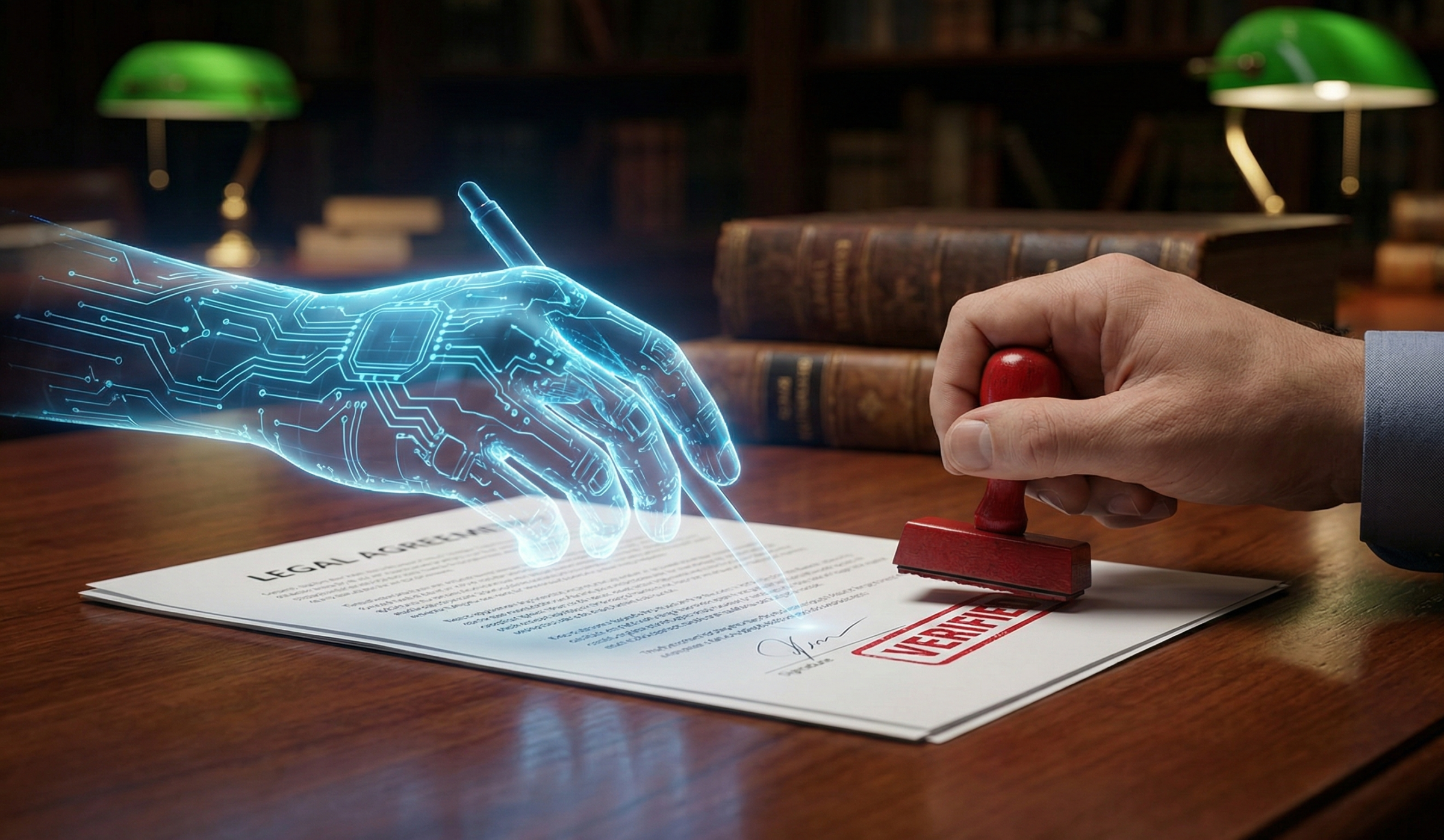
The “Human Stamp”: Every high-stakes document generated by AI must have a digital “stamp” linking it to the licensed professional who reviewed it. No stamp = No coverage.
Algorithm Disclosure: You must tell your insurer if you are using a “Closed-Loop” AI (safer) or an “Open-Source” model (riskier). They price the risk differently.
Algorithmic Telematics: Just like a black box in a car, you may need third-party monitoring tools that flag when your AI starts drifting from accuracy norms.
4. Market Impact: Premiums and Capacity in Specialty Lines
The introduction of these clauses is causing a significant ripple effect across the Commercial & Specialty landscape. While general liability rates in some sectors are stabilizing, E&O premiums for AI-integrated firms are seeing a distinct 12-18% surge this quarter.
The Rise of the “AI Surcharge”
Underwriters are now applying “AI Loadings” to policies. Firms that cannot demonstrate robust AI governance are finding it difficult to secure high-capacity towers. Conversely, firms that adopt the Lloyd’s-standardized protocols are being rewarded with “Preferred Tech” status, granting them access to broader limits and lower deductibles.
5. The Industry Impact: From Law Firms to Engineering Giants
The 2026 pivot is not limited to the tech sector; it is hitting the “old guard” of professional services.
- Legal Sector: Malpractice insurers are now requiring law firms to use “Verified Legal AI” that includes citation-checking features to prevent the filing of fake, AI-generated case law.
- Medical Malpractice: As AI-assisted diagnostics become the norm, insurers are requiring doctors to document when they disagree with an AI’s recommendation, creating a new “Discrepancy Log” that is critical for defense during litigation.
- Engineering and Design: E&O policies for architects now include “Generative Design” sub-limits, specifically addressing the risk of structural flaws introduced by AI-optimized blueprints.
6. Global Competition: The Race for AI Underwriting Dominance
While Lloyd’s of London has set the standard for clauses, global carriers are competing to become the “preferred insurer” for the AI-driven economy.
| Rank | Insurer | 2026 AI Strategy | Market Position |
| 1 | Chubb | Focus on AI-Vendor Indemnity | Leader in North American E&O |
| 2 | AXA XL | Integrated Cyber/E&O Hybrid Products | Strong European Market Presence |
| 3 | Beazley | Lead Underwriter for LMA AI Clauses | Specialty Leader at Lloyd’s |
| 4 | Munich Re | Performance Guarantees for AI Models | Global Reinsurance Backstop |
7. The Broker’s New Role: The “Tech-Stack Auditor”
In 2026, the role of the commercial broker has shifted. Brokers are no longer just examining balance sheets; they are auditing “Tech Stacks.” To place a specialty policy today, a broker must understand the difference between RAG (Retrieval-Augmented Generation) and Fine-Tuning.
“The 2026 E&O market doesn’t care about your revenue as much as it cares about your prompts,” says a senior broker at Marsh McLennan. “If you can’t explain your AI governance, you can’t get covered. It’s that simple.”
8. Challenges: Ethical Bias and Systemic Failure
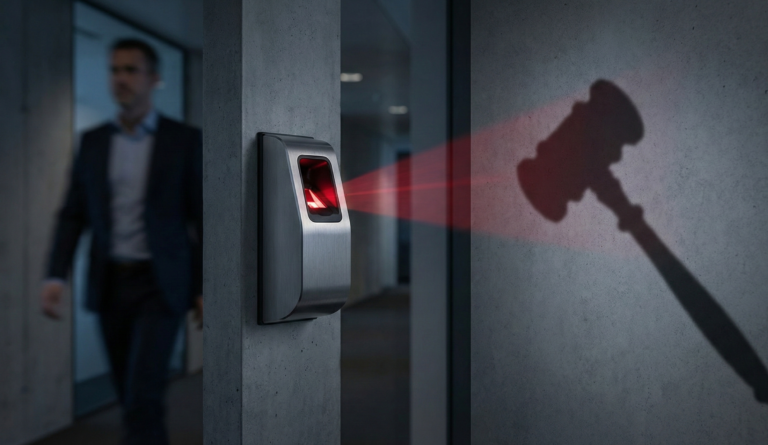
The Lloyd’s move also addresses the “dark side” of AI risk: Algorithmic Bias. In 2026, many E&O claims are not about technical errors, but about biased outcomes in hiring, lending, or medical treatment. The new clauses require firms to prove they are testing their AI agents for “socially inflationary” biases that could lead to massive class-action litigation.
Furthermore, there is a growing fear of a “Systemic AI Event”—where a single update to a widely used LLM causes thousands of professionals to make the same error simultaneously. Reinsurers are currently debating whether such an event would constitute a “single occurrence” or thousands of individual claims.
9. Final Verdict: The “Systemic Crash” Fear
Insurers are terrified of a “Systemic AI Event”—where a single update to a popular LLM causes thousands of lawyers or doctors to make the same error simultaneously. The Big Question: If a software update causes mass malpractice across the entire industry, should the software company be liable, or the professionals who used it? Debate the liability crisis below.
About the Author