The Rise of the ‘Invisible Claim’: AI-Native Insurers Achieve 40% Reduction in Cycle Times for 2026 Personal Lines
The insurance industry has long been defined by a claims process that many consumers found slow, opaque, and administratively heavy. However, as we move through the first quarter of 2026, a technological shift is fundamentally rewriting the rules of the personal lines sector. Industry data reveals that the “Invisible Claim”—a process where a loss is reported, assessed, and settled without a single human touchpoint—has officially transitioned from a pilot concept to a market standard.
According to the latest 2026 Industry Performance Insights, AI-native insurers and tech-forward legacy carriers have achieved a staggering 40% reduction in claims cycle times compared to 2024 levels. This efficiency gain is reshaping customer expectations and forcing a massive realignment of operational strategies across the United States.
1. The Era of Production-Scale Agentic AI
In 2024 and 2025, Artificial Intelligence was largely in its “experimental” phase, primarily used for basic chatbots and document sorting. In 2026, the industry has entered the Production Era of Agentic AI. These are autonomous systems that do not just analyze data; they take decisive action on behalf of the insurer.
How the “Invisible Claim” Functions in 2026:
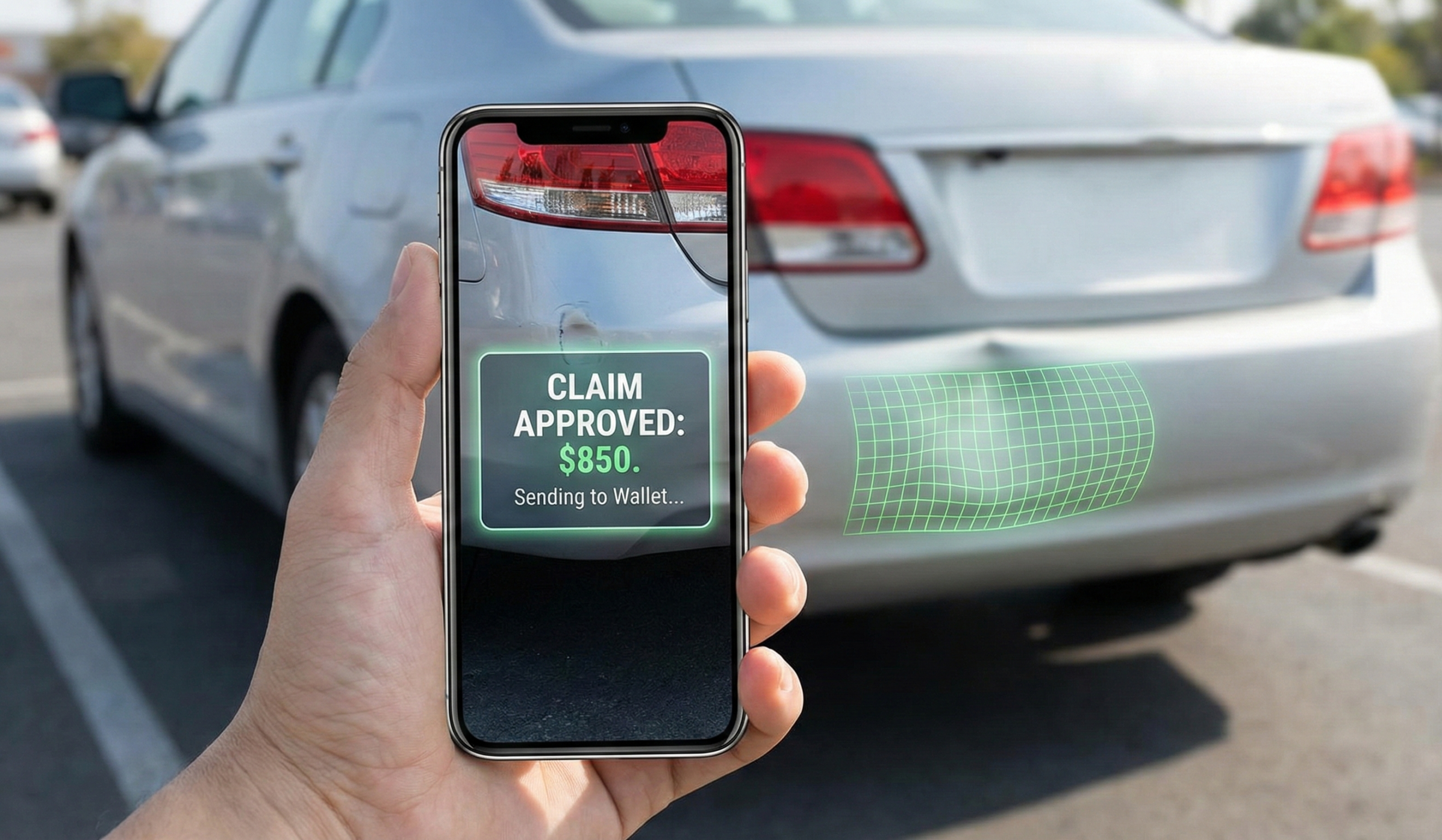
- Computer Vision Triage: Leveraging high-resolution smartphone imagery and real-time satellite data, AI models can now estimate property or auto damage with over 95% accuracy in under 60 seconds.
- Instant Digital Payouts: For “straightforward” claims—such as minor glass breakage, electronics theft, or specified water damage—AI agents cross-reference policy limits and fraud indicators to authorize instant payouts via digital wallets before the customer even finishes the filing process.
- Dynamic Fraud Mitigation: Advanced anomaly detection algorithms now flag potential inconsistencies with 22% higher precision than manual audits, allowing “green-lighted” claims to bypass human adjusters entirely.
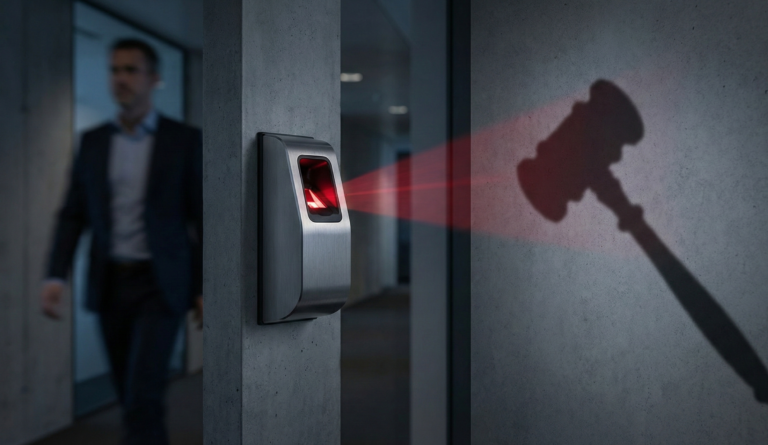
2. Inside the “Black Box”: How the AI Judges You
How does an app know your fender bender costs exactly $1,200? It’s not magic; it’s Computer Vision.
- The “Pixel” Adjuster: The AI scans the pixels in the photo you upload. It recognizes the make/model of your car, the depth of the dent, and even the paint type.
- Fraud Detection: It cross-references the metadata (time, location) with satellite weather data. If you claim hail damage but the satellite says it was sunny, the “Invisible Claim” becomes a visible rejection instantly.
- Why this matters: This technology eliminates the “human bias” of an adjuster, but it creates a new “algorithmic strictness.”
3. 2026 Rankings: The Customer Satisfaction Leaders
Efficiency is meaningless if it compromises the customer experience. The J.D. Power 2026 U.S. Claims Satisfaction Study highlights a widening chasm between “Digital Leaders” and “Legacy Laggards.”
| 2026 Rank | Insurer | Claims Satisfaction Score (1,000 scale) | Key Differentiator |
| 1 | Chubb | 788 | Premium white-glove digital integration |
| 2 | Amica Mutual | 765 | “Empathy-first” AI hybrid model |
| 3 | The Hartford | 752 | Fastest automated property triage |
| 4 | Lemonade | 749 | Seamless mobile-first “Invisible” flow |
| Average | Industry Avg. | 698 |
While Chubb continues to lead the high-net-worth segment, the notable headline of 2026 is the surge of Lemonade and other insurtech-born carriers into the top tier. These companies are proving that modern consumers, particularly Gen Z and Millennials, increasingly value speed and autonomy over traditional agent interactions.
4. The Human Element: Redefining the Adjuster’s Role
With nearly 80% of routine, high-frequency claims expected to be handled by AI by the end of 2026, the role of the human claims professional is undergoing a radical transformation. Industry experts suggest that human intervention is becoming a “specialty service” reserved for complex, high-severity, or catastrophic losses.
The “Automation with Empathy” Strategy
The most successful insurers of 2026 are those that know when to disengage the AI. For example, if a homeowner reports a total loss due to a fire, leading systems immediately flag the claim for human outreach within 15 minutes. By automating the “mundane,” insurers are freeing up their most empathetic staff to handle the moments that truly matter, reinforcing brand loyalty during life’s most difficult events.
5. Consumer Insights: The “Shopping Era” of 2026
Market insights for the current year show a startling trend: Customer loyalty is at a historical low. A record 57% of auto insurance policyholders in the U.S. shopped for new carriers in the last 12 months.
The Experience Gap
While rate volatility remains a factor, the “Experience Gap” is the primary driver of churn. Customers who experience a seamless, three-minute travel insurance claim or a fast retail refund now have zero patience for a 14-day turnaround on a homeowners’ claim. In 2026, the speed of the claim is the most effective marketing tool an insurer possesses.
6. How to “Pass” the AI Claim Inspection
In 2026, your camera skills determine your payout speed. Here is how to ensure the “Invisible Claim” works for you:
- Lighting is Key: AI struggles with shadows. Take photos in bright, even light. If the AI can’t “see” the damage clearly, it will kick your claim to a human (delaying it by days).
- The “Context” Shot: Don’t just zoom in on the scratch. Take a wide shot of the whole car/house first so the AI understands the geometry, then move in close.
- Don’t Guess: If the app asks “What happened?”, be factual. “I hit a pole” is better than a long story. The Natural Language Processing (NLP) wants facts, not emotions.
7. Final Verdict: Convenience vs. Connection
The “Invisible Claim” is a miracle for minor accidents. Getting paid in minutes feels like the future. But for a major house fire, do you really want to talk to a chatbot? The Big Question: Would you trade a friendly chat with a human adjuster for a 60-second payout? Or does an automated rejection feel more unfair than a human one? Share your experience in the comments.
About the Author